 Histamine Tracker
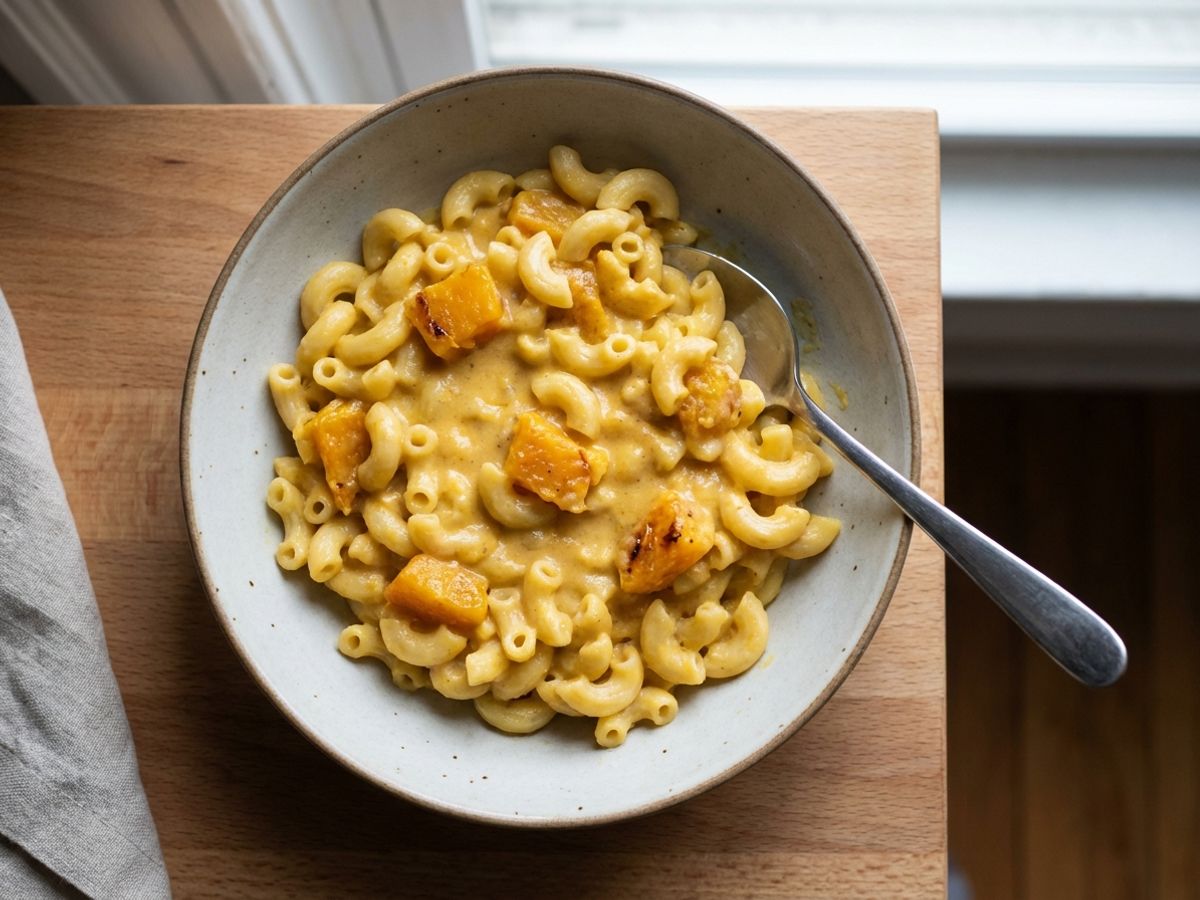
Mac and Cheese

Creamy comfort food made without dairy or cheese.
Ingredients
For the Sauce
- 2 cups butternut squash, peeled and cubed into 1-inch pieces (about 12 oz)
- 1 cup full-fat coconut cream
- 1/2 cup water
- 2 tablespoons olive oil
- 1/2 teaspoon sea salt
- 1/4 teaspoon ground turmeric (for color, optional)
- Pinch of black pepper (optional)
For the Pasta
- 12 oz gluten-free elbow pasta (rice or quinoa-based)
- 1 tablespoon olive oil
- Salt for pasta water
Instructions
Roast the Squash
- Preheat your oven to 400°F (200°C).
- Toss butternut squash cubes with 1 tablespoon olive oil and a pinch of salt.
- Spread on a baking sheet in a single layer.
- Roast for 25-30 minutes, stirring halfway, until tender and lightly caramelized.
Cook the Pasta
- Bring a large pot of salted water to a boil.
- Cook pasta according to package directions until al dente.
- Drain and toss with 1 tablespoon olive oil to prevent sticking.
- Set aside.
Make the Sauce
- Transfer roasted squash to a blender.
- Add coconut cream, water, remaining tablespoon of olive oil, salt, turmeric if using, and pepper if using.
- Blend on high until completely smooth, about 1-2 minutes. If too thick to blend, add more water 1-2 tablespoons at a time.
- Taste and adjust salt as needed.
Combine
- Pour the sauce over the cooked pasta.
- Stir gently to coat all the pasta evenly.
- Serve immediately while warm.
Tips & Substitutions
- Roasting the squash brings out natural sweetness. Steaming works but the sauce will be milder in flavor.
- Choose coconut cream with just coconut and water. Check the label for additives like guar gum or carrageenan, which can bother some people.
- Skip nutritional yeast. Many dairy-free recipes add it for a cheesy flavor. Some people with histamine intolerance don't tolerate it well. If you're unsure, leave it out.
- Swap butternut squash for sweet potato. The sauce will be slightly sweeter and a deeper orange color, but it blends just as smooth.
- A high-speed blender works best. It creates the smoothest sauce. A regular blender or immersion blender works too, though the texture may be slightly less silky.
Why This Works
Butternut squash. Naturally low in histamine and generally well tolerated. Roasting concentrates the flavor so you get a rich, creamy sauce without cheese.
Coconut cream. A dairy-free fat source that creates creaminess. It is generally well tolerated, though individual response varies. Look for brands with minimal additives.
Gluten-free pasta. Rice or quinoa-based pastas avoid the potential issues some people with histamine intolerance have with gluten.
Turmeric. A mild spice used here mainly for color. Some people find it generally well tolerated and it may support overall wellness, though individual response varies.
Storage
Best served fresh while the sauce is warm and creamy. The sauce thickens as it cools. If you have leftovers, refrigerate and eat within 24 hours. Reheat gently with a splash of water to thin the sauce back out.
Not sure if an ingredient is safe? Histamine Tracker includes a database of 1,000+ foods with histamine ratings to help you cook with confidence.


For educational purposes only. Not medical advice. Consult a healthcare professional for personal guidance.
References
- Is Butternut Squash High in Histamine? — Casa de Sante
- Are There Low-Histamine Dairy Foods? — Histamine Doctor
- Are Wheat and Gluten Really Mast Cell and Histamine Triggers? — Mast Cell 360
- Histamine and histamine intolerance — Maintz & Novak (2007)
- Histamine Intolerance: The Current State of the Art — Comas-Basté et al. (2020)
- Biogenic Amines in Plant-Origin Foods: Are They Frequently Underestimated in Low-Histamine Diets? — Sánchez-Pérez et al. (2021)
- Diamine Oxidase Supplementation Improves Symptoms in Patients with Histamine Intolerance — Schnedl et al. (2019)
- Histamine Intolerance — A Comprehensive Review — Jochum (2024)