 Histamine Tracker
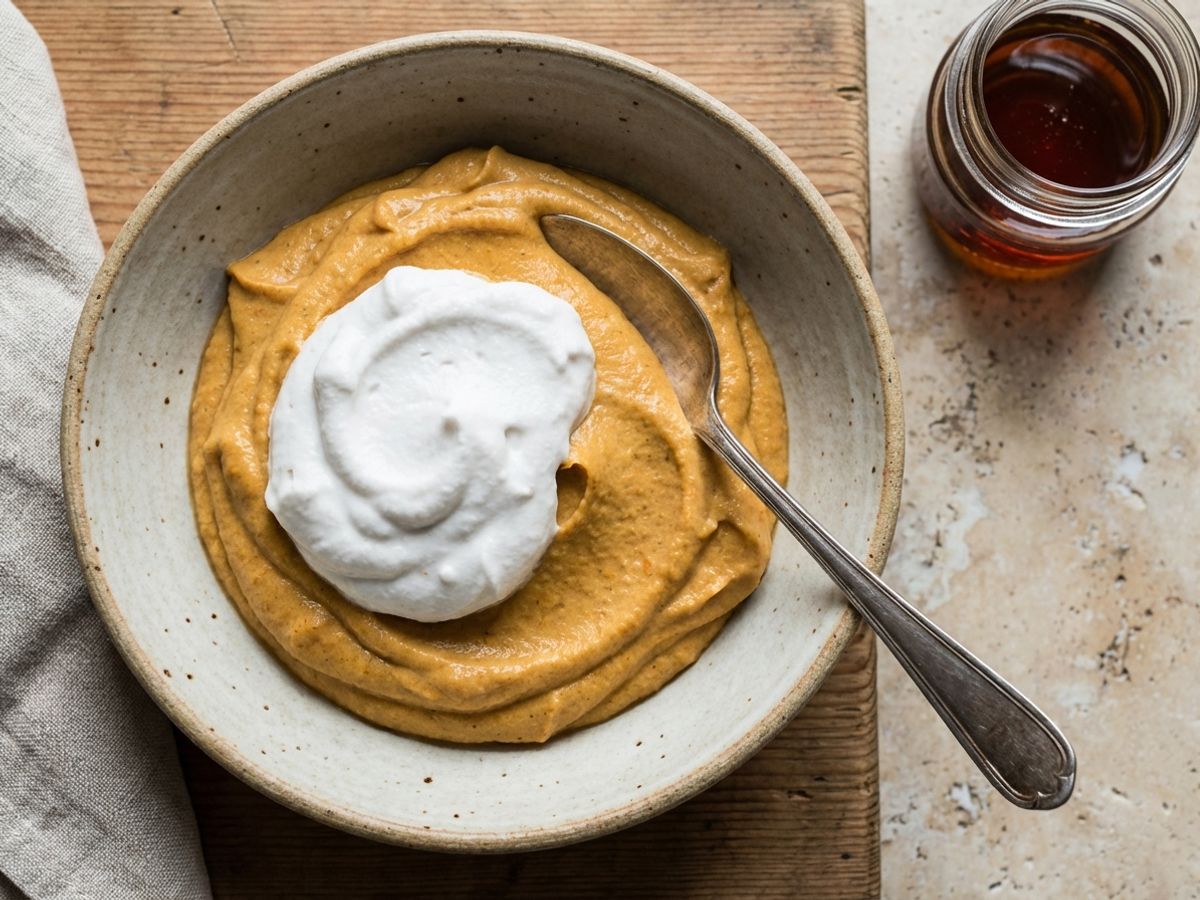
Pumpkin Mousse

A light, airy dessert that brings all the warmth of the holidays without the heavy cream or refined sugar.
Ingredients
For the Pumpkin Base
- 2 cups fresh pumpkin puree (or butternut squash)
- 1/4 cup maple syrup
- 1 teaspoon alcohol-free vanilla extract or 1/2 teaspoon vanilla powder
- 1/4 teaspoon fresh ginger, finely grated (optional)
- Pinch of salt
For the Coconut Cream
- 1 can (13.5 oz) full-fat coconut milk, refrigerated overnight
- 1 tablespoon maple syrup (optional)
Instructions
Chill the Coconut Milk
- Place an unopened can of full-fat coconut milk in the refrigerator overnight. The cold separates the cream from the liquid.
Make the Pumpkin Puree
- Cut a small sugar pumpkin (2-3 lbs) in half and scoop out the seeds. One small pumpkin yields about 2 cups of puree.
- Place cut-side down on a parchment-lined baking sheet.
- Roast at 400°F (200°C) for 40-50 minutes until fork-tender.
- Let cool, then scoop out the flesh and blend until smooth.
- Measure 2 cups of puree for this recipe.
Whip the Coconut Cream
- Open the chilled coconut milk without shaking.
- Scoop the solid white cream into a mixing bowl, leaving the liquid behind.
- Using a hand mixer or stand mixer, whip on high for 2-3 minutes until light and fluffy.
- Add 1 tablespoon maple syrup if you want it sweeter.
Combine
- In a separate bowl, mix the pumpkin puree, maple syrup, vanilla, ginger (if using), and salt until smooth.
- Gently fold the whipped coconut cream into the pumpkin mixture using a spatula.
- Fold just until combined. Overmixing will deflate the mousse.
Chill and Serve
- Divide into serving dishes or one large bowl.
- Refrigerate for at least 1 hour before serving.
- Serve cold, topped with a dollop of extra coconut cream if desired.
Tips & Substitutions
- Butternut squash works well. If pumpkin is out of season, butternut squash has a similar flavor and texture.
- Check your coconut milk. Look for brands without guar gum or carrageenan if you're sensitive to additives. The ingredients should just be coconut and water.
- Ginger is optional. Fresh ginger adds warmth but contains salicylates. Skip it if you're sensitive.
- Not sweet enough? Add more maple syrup to taste. The pumpkin itself has natural sweetness, so start with less and adjust.
- Cream too thin? If your coconut cream doesn't whip, it may not have been cold enough or the brand may have too much liquid. Try a different brand next time.
- Use fresh pumpkin. Roasting your own gives the best flavor and keeps things fresh.
Why This Works
Pumpkin. Pumpkin's histamine status is debated. Some sources classify it as low histamine, while others consider it a potential histamine liberator. If you're unsure how you respond to pumpkin, try a small amount first. Butternut squash is a well-tolerated substitute if pumpkin doesn't agree with you.
Coconut cream. A rich, creamy base without dairy. Full-fat coconut milk separates when chilled, creating a cream that whips beautifully. Most people with histamine intolerance tolerate plain coconut products well.
Maple syrup. A natural sweetener that avoids the inflammation some people experience with refined sugar. Adds sweetness without overpowering the pumpkin flavor.
No cooking required for the mousse. Once the pumpkin is roasted, the rest is just mixing and chilling. No eggs, no dairy, no fermentation.
Storage
Best enjoyed within 2-3 days. Store covered in the refrigerator. The mousse may lose some airiness over time as the coconut cream settles. Give it a gentle stir before serving leftovers. Some people are sensitive even to refrigerated leftovers, so make smaller batches if needed.
Not sure if an ingredient is safe? Histamine Tracker includes a database of 1,000+ foods with histamine ratings to help you cook with confidence.


For educational purposes only. Not medical advice. Consult a healthcare professional for personal guidance.
References
- Low Histamine 'Pumpkin Spice' Drink Recipe — MastCell360
- Is Coconut High Histamine? — Low Histamine Eats
- Low Histamine Diet Foods List — Through The Fibro Fog
- Histamine and histamine intolerance — Maintz & Novak (2007)
- Histamine Intolerance: The Current State of the Art — Comas-Basté et al. (2020)
- Biogenic Amines in Plant-Origin Foods: Are They Frequently Underestimated in Low-Histamine Diets? — Sánchez-Pérez et al. (2021)
- Diamine Oxidase Supplementation Improves Symptoms in Patients with Histamine Intolerance — Schnedl et al. (2019)
- Histamine Intolerance — A Comprehensive Review — Jochum (2024)