 Histamine Tracker
Rice Noodles

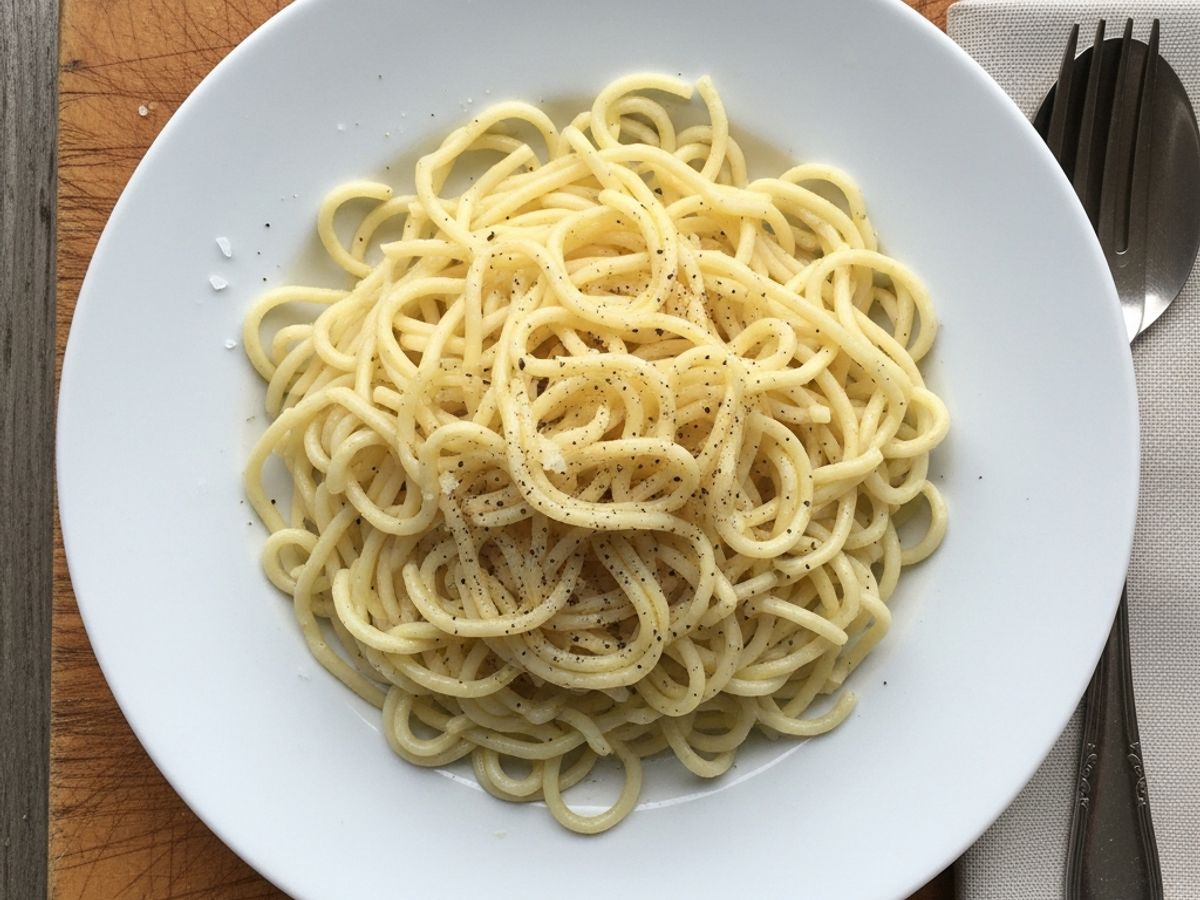
Rice noodles with olive oil or butter.
Ingredients
- 8 ounces rice noodles (pad thai style or vermicelli)
- 2 tablespoons olive oil or butter
- 1/4 teaspoon sea salt
- Fresh herbs for garnish (optional)
Instructions
For Pad Thai Style Noodles
- Bring a large pot of water to a boil.
- Remove from heat and add the noodles.
- Soak for 6-8 minutes until tender but not mushy.
- Drain and rinse briefly with cool water to stop cooking.
For Vermicelli
- Bring a large pot of water to a boil.
- Add noodles and cook for 3-4 minutes until tender.
- Drain and rinse briefly.
Finish
- Toss noodles with olive oil or butter and salt.
- Garnish with fresh herbs if desired.
- Serve immediately.
Tips & Substitutions
- Don't overcook. Rice noodles go from tender to mushy quickly. Check them a minute early and drain as soon as they're pliable.
- Rinse after draining. A quick rinse with cool water stops the cooking and prevents sticking.
- Follow the package for timing. Different widths cook at different rates. Thin vermicelli cooks much faster than wide pad thai noodles.
- Swap olive oil for butter. Both work here. Olive oil keeps it dairy-free, while butter adds richness.
- Make it a meal. Toss with sauteed vegetables or fresh pan-seared chicken for a more complete plate.
Why This Works
Rice noodles. Made from rice flour and water, rice noodles are naturally gluten-free and low in histamine. They are one of the safest starch options for people with histamine intolerance.
Olive oil. A commonly tolerated cooking fat with no fermented or aged components.
Minimal ingredients. Just noodles, fat, and salt. No soy sauce, no fish sauce, no vinegar. This avoids the fermented condiments that often trigger reactions.
Serve fresh. Freshness applies to preparation too. Cooking and serving right away, then cooling and refrigerating any leftovers promptly, helps minimize histamine concerns from storage.
Storage
Best eaten fresh right after cooking. Rice noodles absorb moisture and become sticky or clumpy when stored. If you need to prep ahead, cook the noodles and toss with a little oil, then refrigerate and use within 24 hours. Since this is a starch-only dish, histamine buildup from leftovers is less of a concern than with protein dishes.
Not sure if an ingredient is safe? Histamine Tracker includes a database of 1,000+ foods with histamine ratings to help you cook with confidence.


For educational purposes only. Not medical advice. Consult a healthcare professional for personal guidance.
References
- 5 Low-Histamine Noodles to Enjoy — Histamine Doctor
- Are Rice Stick Noodles High In Histamine — Casa de Sante
- Is Olive Oil High Histamine? — Histamine Doctor
- Histamine and histamine intolerance — Maintz & Novak (2007)
- Histamine Intolerance: The Current State of the Art — Comas-Basté et al. (2020)
- Biogenic Amines in Plant-Origin Foods: Are They Frequently Underestimated in Low-Histamine Diets? — Sánchez-Pérez et al. (2021)
- Diamine Oxidase Supplementation Improves Symptoms in Patients with Histamine Intolerance — Schnedl et al. (2019)
- Histamine Intolerance — A Comprehensive Review — Jochum (2024)